Pharmaceutical Analysis LABORATORY
Pharmacokinetics Section
For over 20 years, we have been supporting pharmaceutical and biotechnology companies and research centres in the development, analysis and registration of medicinal products.
Our specialist laboratory operates in accordance with Good Laboratory Practice (GLP) guidelines set out by the OECD and EMA, ensuring the reliability of our tests and compliance with international standards.
We specialise in in vitro and in vivo pharmacokinetic studies in human and animal material. We provide reliable data on the biological pathway of active substances in organisms.
Thanks to modern UHPLC-MS/MS equipment and many years of experience, we support pharmaceutical companies at every stage of drug development – from preclinical trials to registration documentation.
RESEARCH OFFER:
- development and validation of bioanalytical methods – creation and verification of methods for determining active substances and their metabolites in biological samples (including plasma, blood, urine, saliva).
- analysis of biological samples – determination of the concentration of active substances in tissues and body fluids
- pharmacokinetics in clinical trials (phase I and II) – development of the pharmacokinetic part of trial protocols, selection of parameters (AUC, Cmax, t½, tmax) and data analysis.
- TDM – therapeutic drug monitoring – determining drug concentrations in plasma in order to adjust dosages individually
- bioavailability and bioequivalence studies in accordance with EMA guidelines
- preparing registration documentation for module 5 CTD
- archiving biological material at temperatures ranging from -14°C to -80°C.
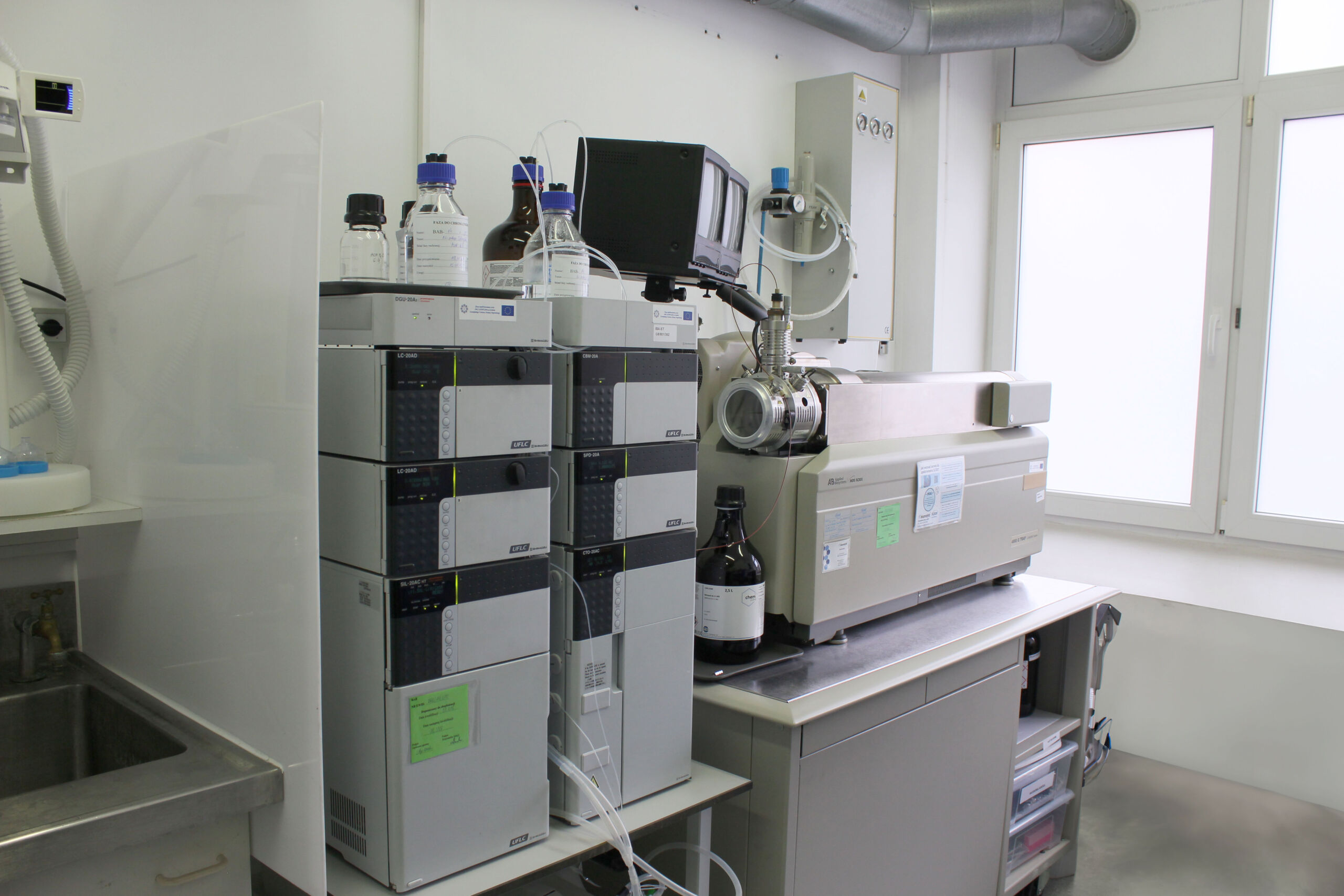
- LCMS-2010 mass spectrometer connected to HPLC (Shimadzu)
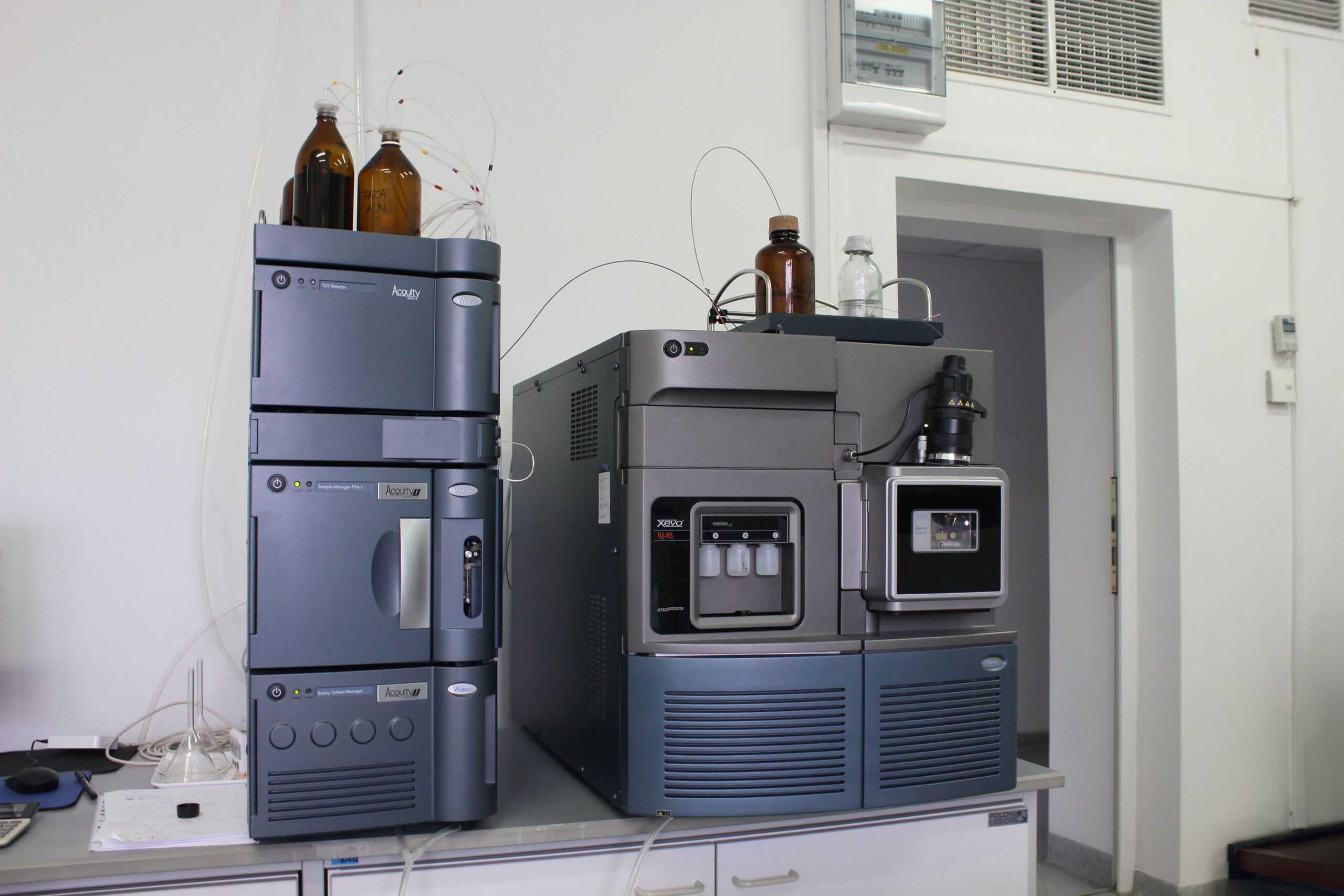
- Xevo TQ-XS triple quadrupole mass spectrometer coupled with Acquity Class I UPLC (Waters)
- UHPLC and HPLC with UV-VIS detectors (Waters, Shimadzu)
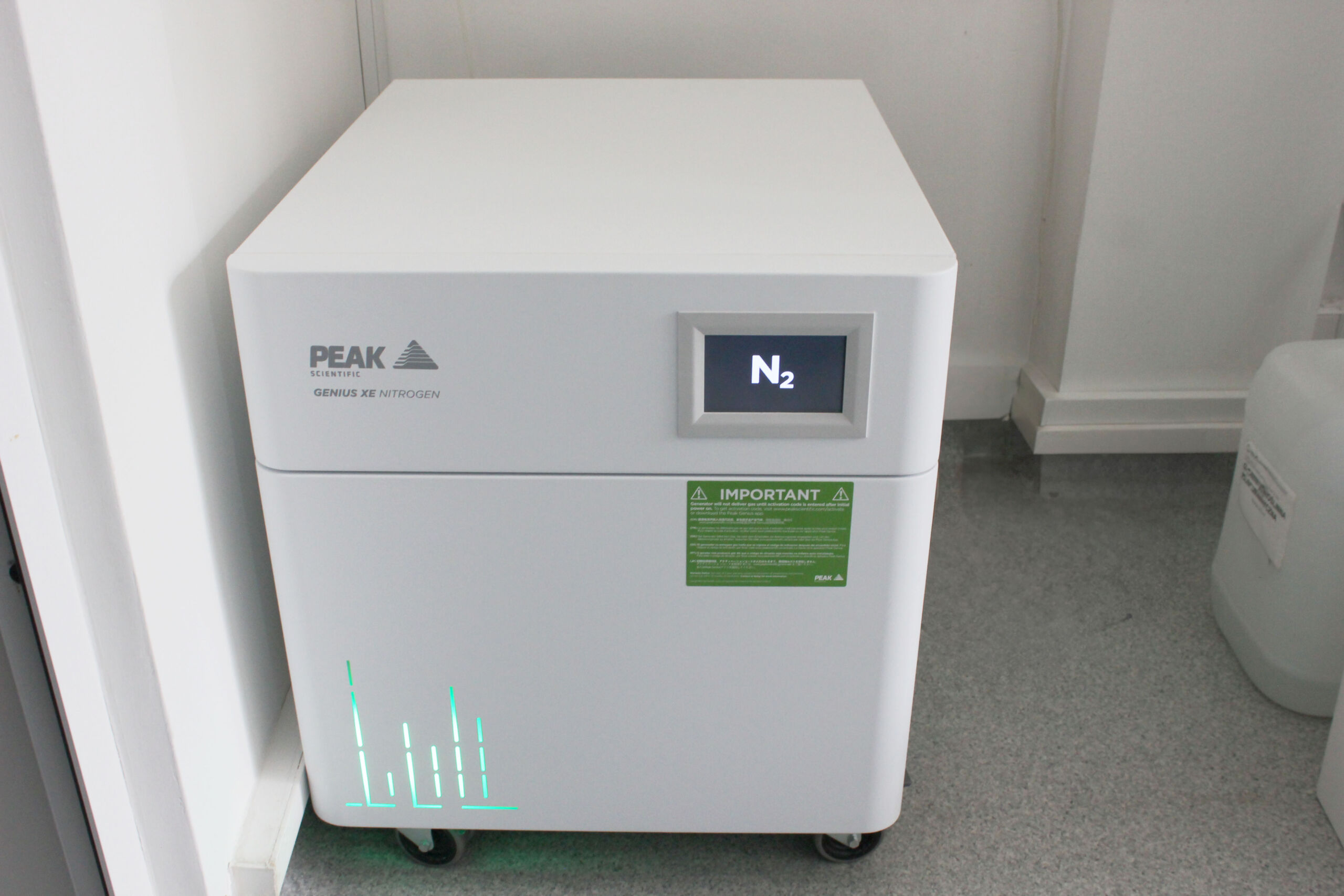
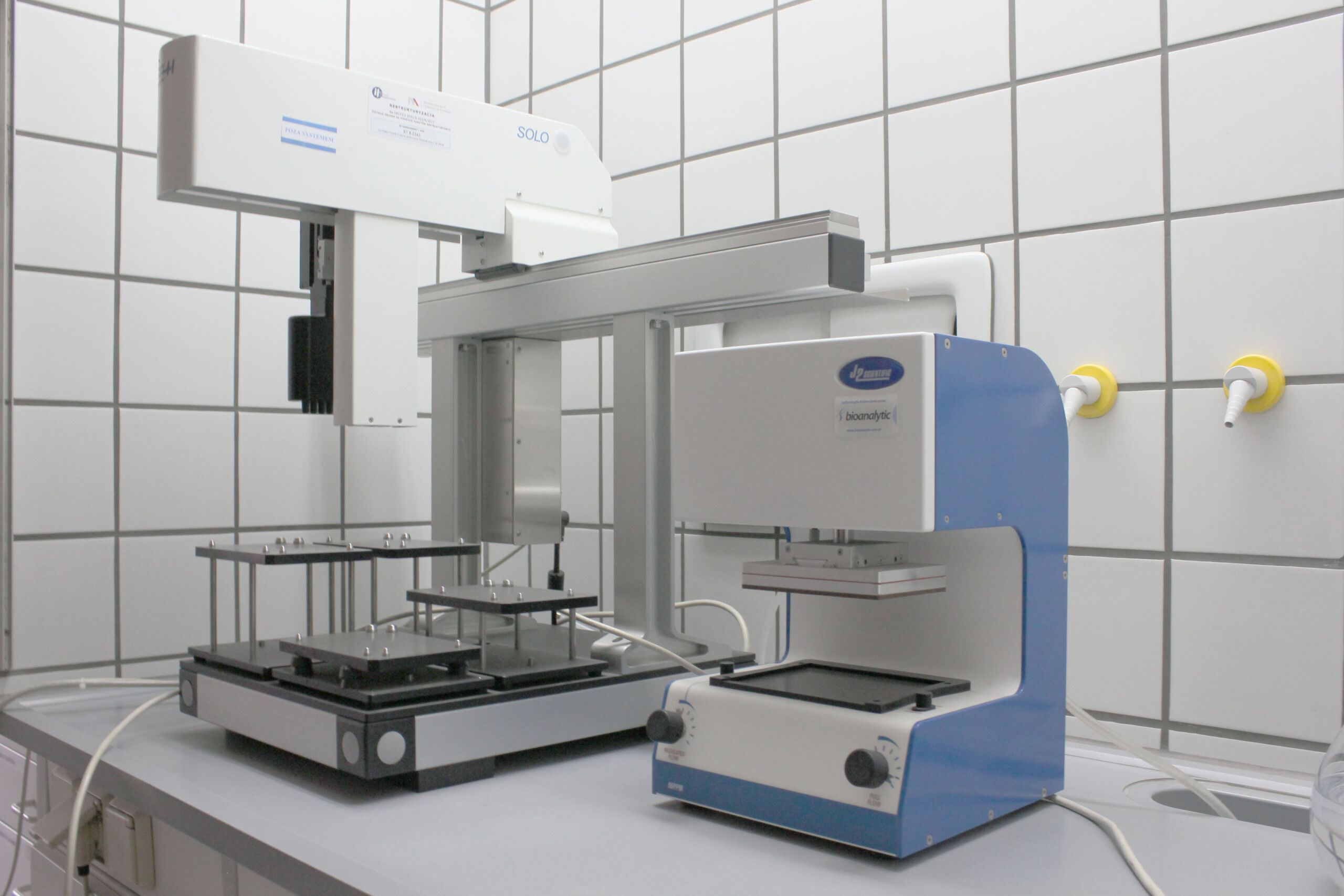
- SOLO Version 8.37 sample preparation machine for analysis, from Hudson Robotics, Inc.
- Freezers (from -14°C to -80°C)
| Compound | Platform, calibration range, internal standard (IS) | Biological matrix |
| Bosentan and metabolite hydroxybosentan | LC-UV-VIS, 50.0-4000.0 ng/mL, BO-3-IS | Human plasma |
| Canagliflozin | LC-MS/MS, 50.0-5000.0 ng/mL, [13C6]-Canagliflozin – IS | Human plasma |
| Cetirizine | LC-MS/MS, 10.0-450.0 ng/mL, aripiprazole – IS | Human plasma |
| Cilostazol, 3,4-dehydro-cilostazol | LC-MS/MS, 5.00-1000.00 ng/mL, 10.0-800.0 ng/mL, cilostazol – d11 -IS | Human plasma |
| Cladribine | LC-MS/MS, 1.0-100.0 ng/mL, Azathioprine impurity G | Human plasma |
| Claritromycin, 14-hydroksyklaritromycin | LC-ECD, 54,04–3127,43 mg/mL, roxithromicin -IS | Human plasma |
| Codeine phosphate | LC-MS/MS, 0.500–350.000 ng/mL, tramadol-IS | Rat and human plasma |
| Duloxetine | LC-UV-VIS, 2.000-100.000 ng/mL, fluoxetine -IS | Human plasma |
| Dutasteride | LC-MS/MS, 0.100-3.500 ng/mL, 13C6-dutasteride -IS | Human plasma |
| Eplerenone | LC-MS/MS, 25.00-2000.00 ng/mL, Eplerenone-d3 -IS | Human plasma |
| Exemestane | LC-MS/MS, 0.10–40.00 ng/mL, anastrozol-IS | Human plasma |
| Enzalutamid | LC-MS/MS, 10.0–10 000.0 ng/mL, [6H2]-enzalutamide | Human plasma |
| Fluoxetine | LC-MS/MS, 0.2–30.0 ng/mL, doxepin-IS | Human plasma |
| Gemcitabine(analogue) | LC-MS/MS, 0.1–10 μg/mL, JB-10-IS | Human plasma |
| Ibuprofen | LC-UV-VIS, 0.3–32.0 μg/mL, fenoprofen-IS | Human plasma |
| Imatinib and metabolite N-desmethyl | LC-UV-VIS, 40.0–4000 ng/mL, propranolol-IS | Human plasma |
| Insulin degludec | LC-MS/MS, 5.00–100.000 ng/mL, bovine insulin-IS | Rat plasma |
| Itraconazole | LC-FLD, 5–300 ng/mL, naftydofuryl-IS | Human plasma |
| Lapatinib | LC-MS, 5.0–800.0 ng/mL, 13C,2H7-Lapatinib | Human plasma |
| Megestrol | LC-UV-VIS, 5.0–300 ng/mL, progesteron-IS | Human plasma |
| Meloxicam | LC-UV-VIS, 20.0–2000 ng/mL, piroksikam-IS | Human plasma |
| Metformin | LC-MS/MS, 1.0–72.0 ng/mL, 50.0–15000 ng/mL, metformin-d6 | Human plasma |
| Nabumeton | LC-FLD, 0.6–30.0 ng/mL, cisaprid-IS | Human plasma |
| Naproxen | LC-UV-VIS, 0.5–80.0 μg/mL, Fenoprofen-IS | Human plasma |
| Nintedanib/metabolite BIBF 1202 | LC-MS/MS, 2.0–200.0 ng/mL, Nintedanib-d3 -IS | Human plasma |
| Olmesartan | LC-MS/MS, 5.0–2500 ng/mL, Olmesartan-d6-IS | Human plasma |
| Ondansetron | LC-UV-VIS, 1.0–50 ng/mL, propranolol-IS | Human plasma |
| Paracetamol | LC-UV-VIS, 0.25–10.0 μg/mL, bronopol-IS | Human plasma |
| Prasugrel (metabolite R-138727) | LC-MS/MS, 0.5–250.0 ng/mL, R-138727-13C6-IS | Human plasma |
| Pseudoefedrine | LC-MS/MS, 1.50–300.00 ng/mL, [13C2,2H3] Pseudoephedrine hydrochloride | Human plasma |
| Ranitidine | LC-MS/MS, 10.0–1000.0 ng/mL, prokainamid-IS | Human plasma |
| Regorafenib, metabolite M2, M5 | LC-MS/MS, 25.0–4000.0 ng/mL, [13CD3]-Regorafenib-IS, [13CD3]-Regorafenib N-Oxide-IS | Human plasma |
| Risedronate | LC-MS/MS, 0.4–80.0 ng/mL, risedronate acid-d4 | Human plasma |
| Semaglutide | LC-MS/MS, 5.00–100.00 ng/mL, liraglutide-IS | Rat plasma |
| Sunitinib and metabolite N-desethylo | LC-MS/MS, 0.1–150.0 ng/mL, Sunitinib-d10 | Human plasma |
| Temozolomide | LC-UV-VIS, 0.1–20 μg/mL, teophiline-IS | Human plasma |
| Tramadol and metabolite Desmethylo | LC-MS, 5.0–750.0 ng/mL, tramadol-d6-IS | Rat and human plasma |
| Trametinib | LC-MS, 0.500–250.00 ng/mL, [13C6]-Trametinib | Human plasma |
| Vemurafenib | LC-MS, 1.00–100.00 μg/mL, [13C6]-Vemurafenib | Human plasma |