Pharmacy, Cosmetic Chemistry and Biotechnology RESEARCH GROUP
Genetic Engineering and Biosynthesis Section
We conduct advanced research in the field of biotechnology, focusing on the creation of new solutions with high implementation potential.
We integrate the latest advances in molecular biology, microbiology and bioprocess engineering to effectively transform innovative concepts into scalable technologies ready for commercial application in, among others, the chemical industry, agriculture and medicine.
CONTACT
Jolanta Janiszewska, PhD. Sc. Eng.
phone +48 517 883 174
jolanta.janiszewska@ichp.lukasiewicz.gov.pl
We specialise in creating advanced biotechnological solutions based on microorganisms and biomass bioconversion. We identify and modify strains with unique properties, design efficient metabolic pathways, and develop processes for breaking down lignocellulose into valuable compounds. This gives our clients access to modern, low-carbon technologies, increased process efficiency and the opportunity to implement innovative products in line with the principles of the circular economy.
We specialise in developing production strains and designing optimisation and scaling of bioprocesses, which enables us to comprehensively manage projects from concept to implementation. Our expertise is complemented by in vitro bioactivity testing and preparation of biological material for long-term storage.
Research offer:
SCREENING OF MICROORGANISMS: SEARCH FOR BIOACTIVE COMPOUNDS
- in silico analyses: genome analysis, metabolic pathway engineering, plasmid design, knock-in/knock-out mutation design
- next-generation sequencing (NGS)
- analysis of gene expression levels (RT-qPCR, ddPCR)
- determination of the sensitivity of microorganisms to active substances – MIC, MBC, MFC tests
GENETIC ENGINEERING OF MICROORGANISMS
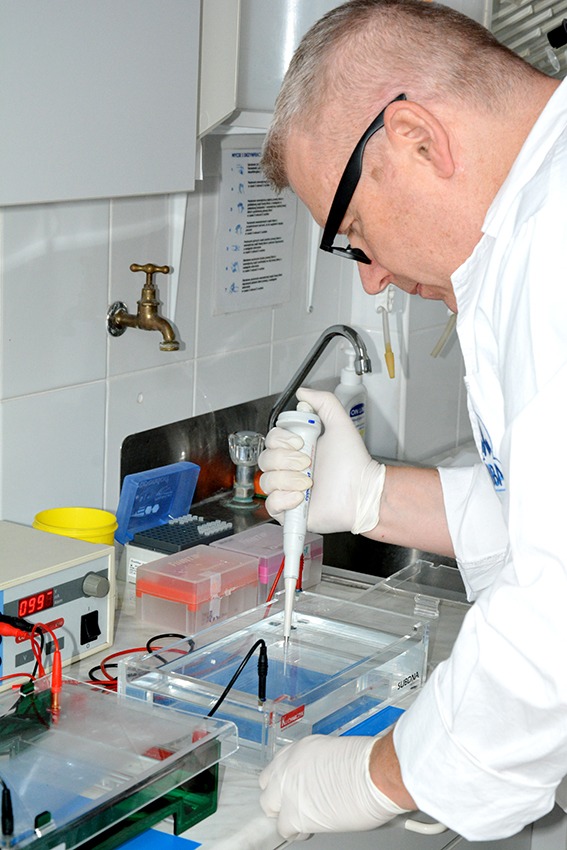
- own bacterial expression system coli
- design of new expression vectors
- obtaining genetically modified production strains of coli – production of therapeutic proteins (e.g. monoclonal antibodies, growth factors, replacement enzymes), biopolymers, semi-finished products and chemical compounds
OPTIMISATION AND SCALE-UP OF BIOTECHNOLOGICAL PROCESSES
- analysis, development and optimisation of biotechnological processes
- performing balances and developing kinetics of biotechnological processes
- management and optimisation of microorganism cultivation conditions for various process types: batch process, fed-batch process, continuous process
- conducting and optimising processes based on the cultivation of microorganisms
in aerobic or anaerobic conditions on a laboratory scale in flasks
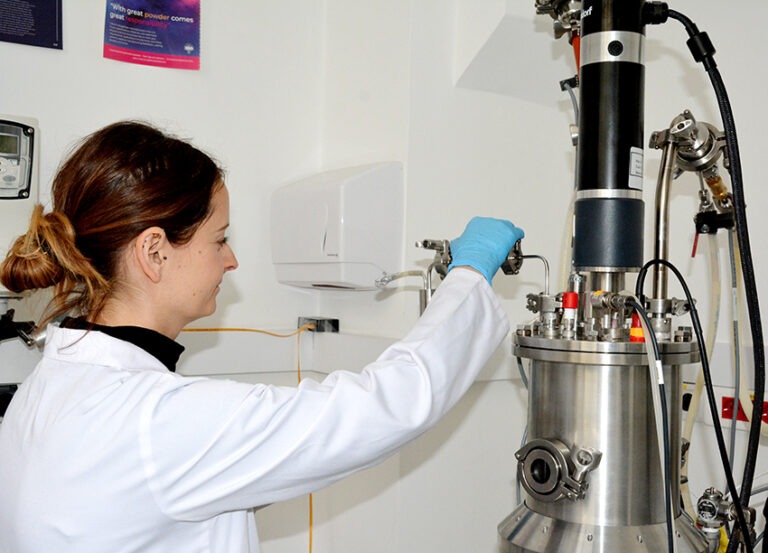
and bioreactors for maximum working volumes of 5 dm³, 10 dm³, 30 dm³ and 150 dm³.
IN VITRO BIOLOGICAL TESTING OF SUBSTANCES
- cytotoxicity testing
- testing anti-inflammatory properties
- antioxidant properties testing
- testing antimicrobial properties
PREPARATION OF BIOLOGICAL MATERIAL FOR LONG-TERM STORAGE
- checking the stability of strains, preparing and maintaining the RCB, MCB and WCB Cell Banks
- carrying out the freeze-drying process in accordance with the existing protocol, developing and optimising the freeze-drying process for various products
- The prepared formulations can be used, among other things, in industrial production, agriculture and environmental protection.
OTHER
- fluorescence and confocal microscopy: preparation, observation and analysis of microscope slides;
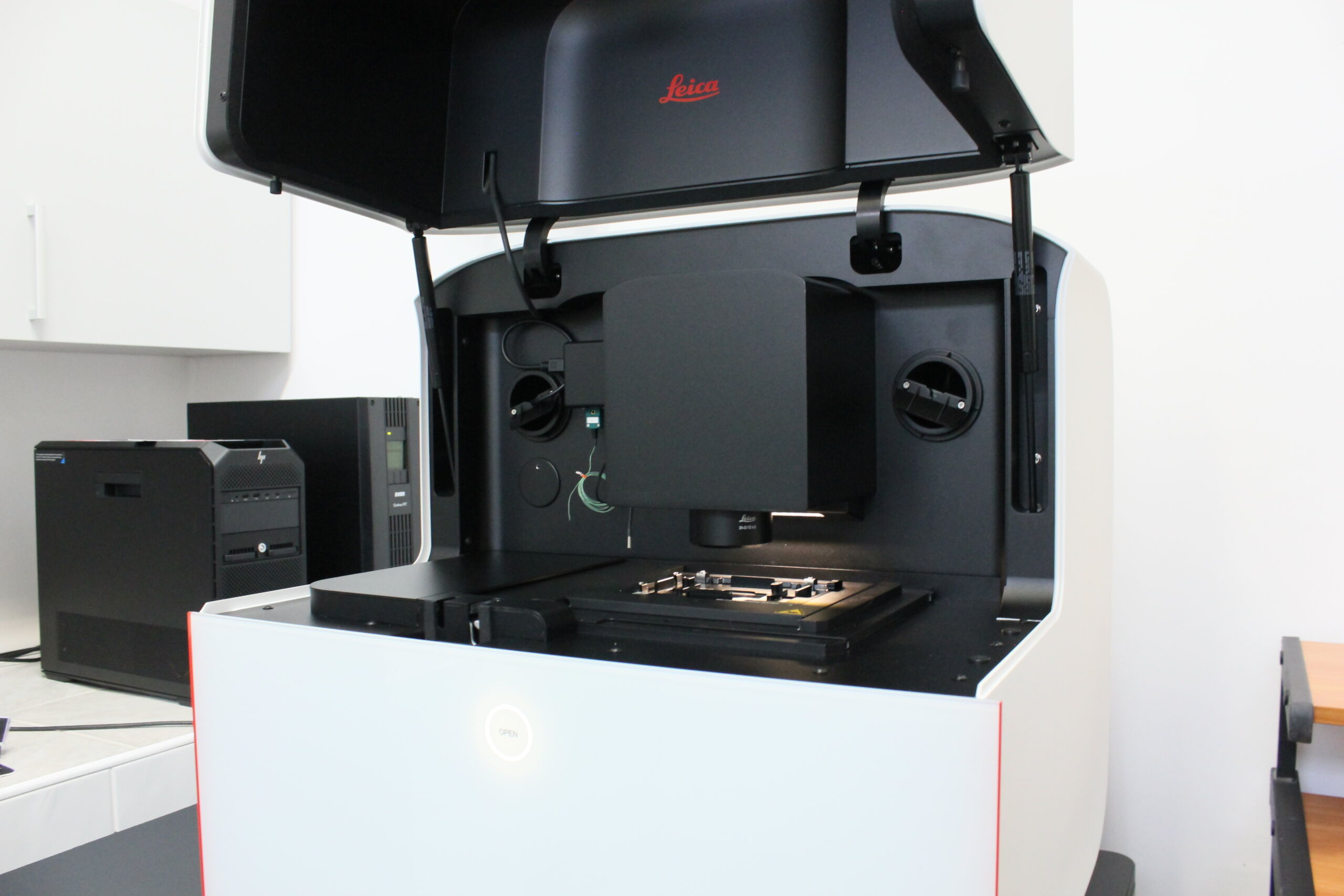
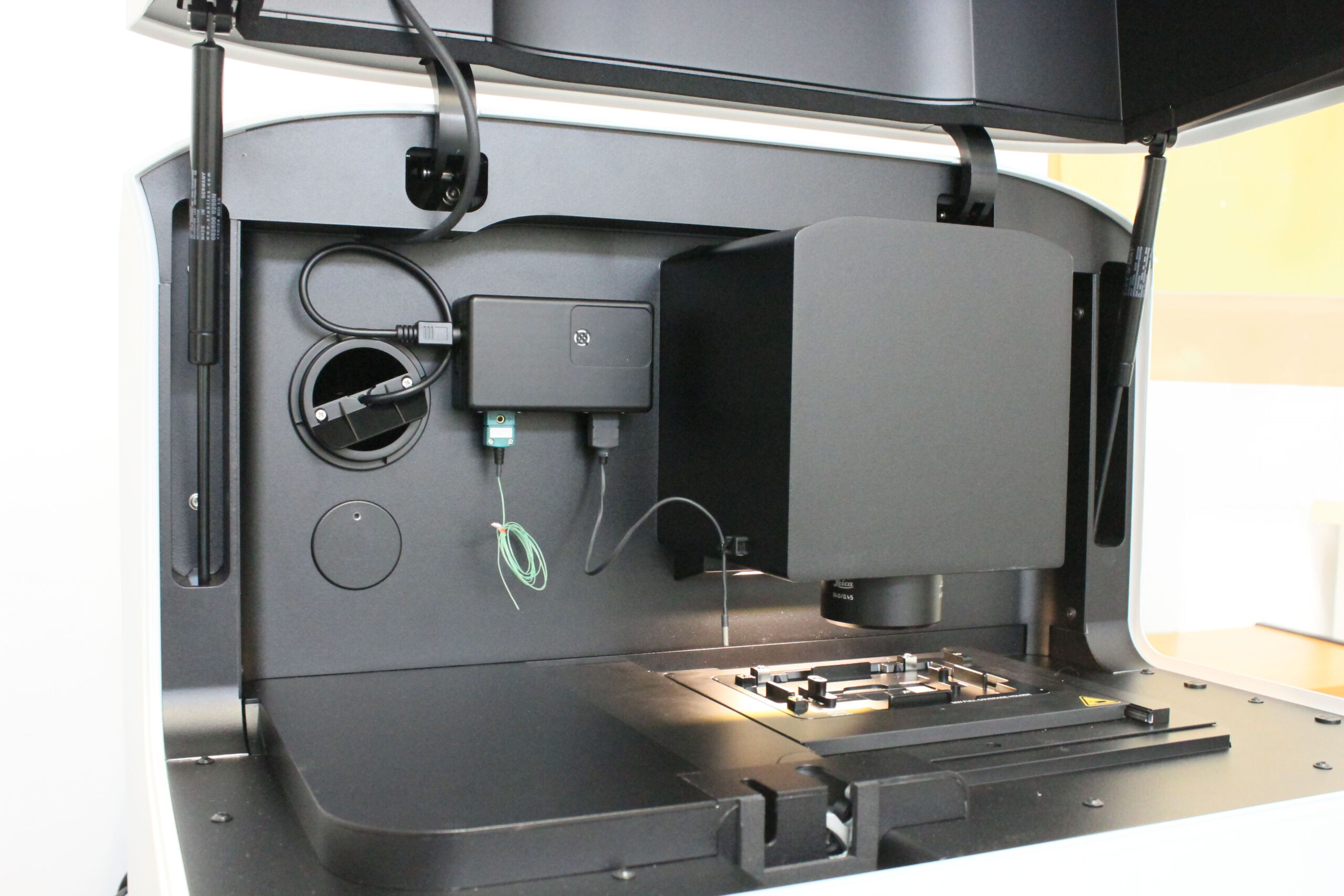
Leica MICA confocal microscope – high-resolution imaging of cells and tissues, including 3D imaging; used in cell biology research, protein localisation, subcellular structure analysis and fluorescence imaging.
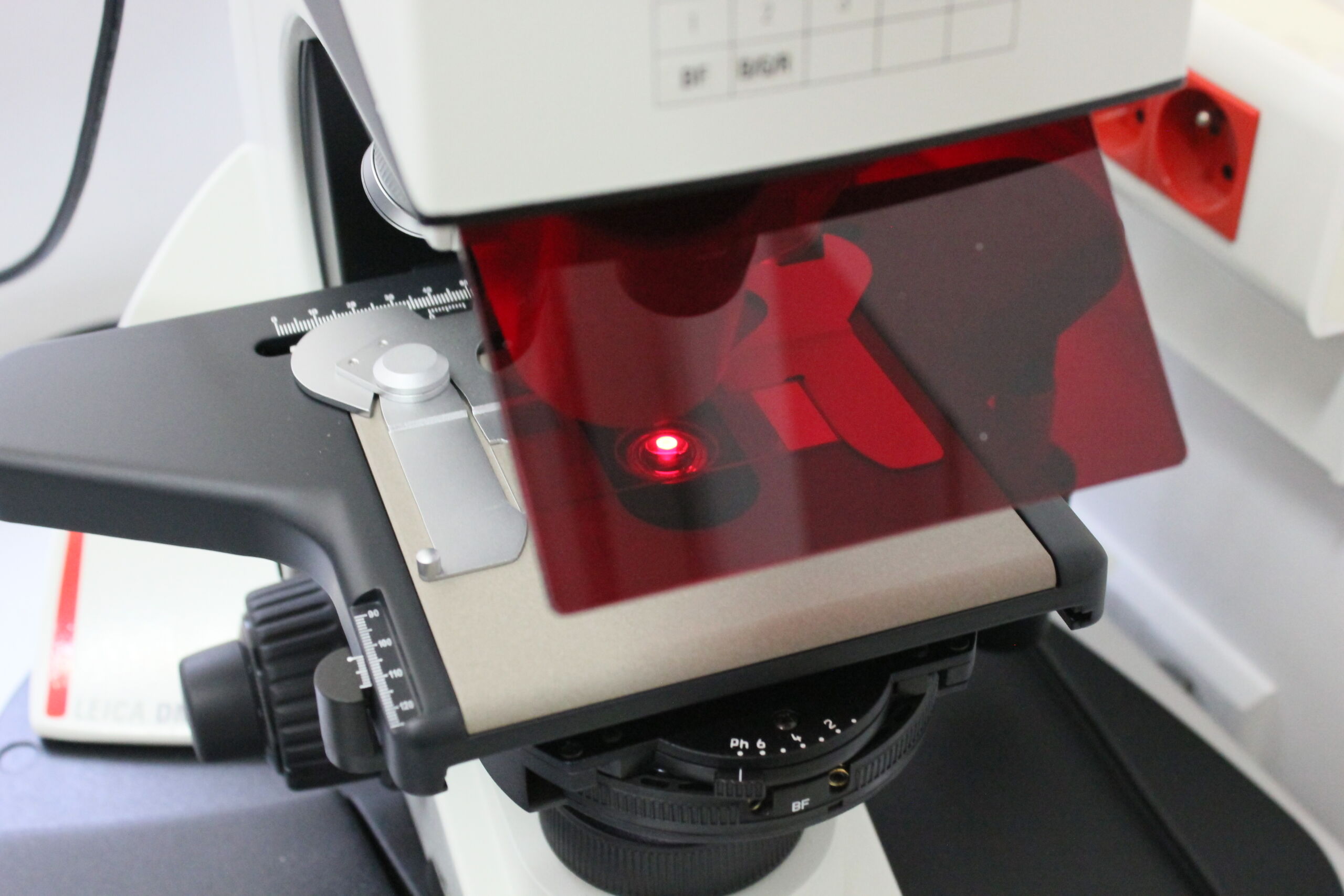
Leica DM3000 LED laboratory and diagnostic fluorescence phase contrast microscope – observation of cells and tissues in transmitted light and using fluorescence; used in diagnostics, cell cultures, cell morphology analysis and immunofluorescence studies.
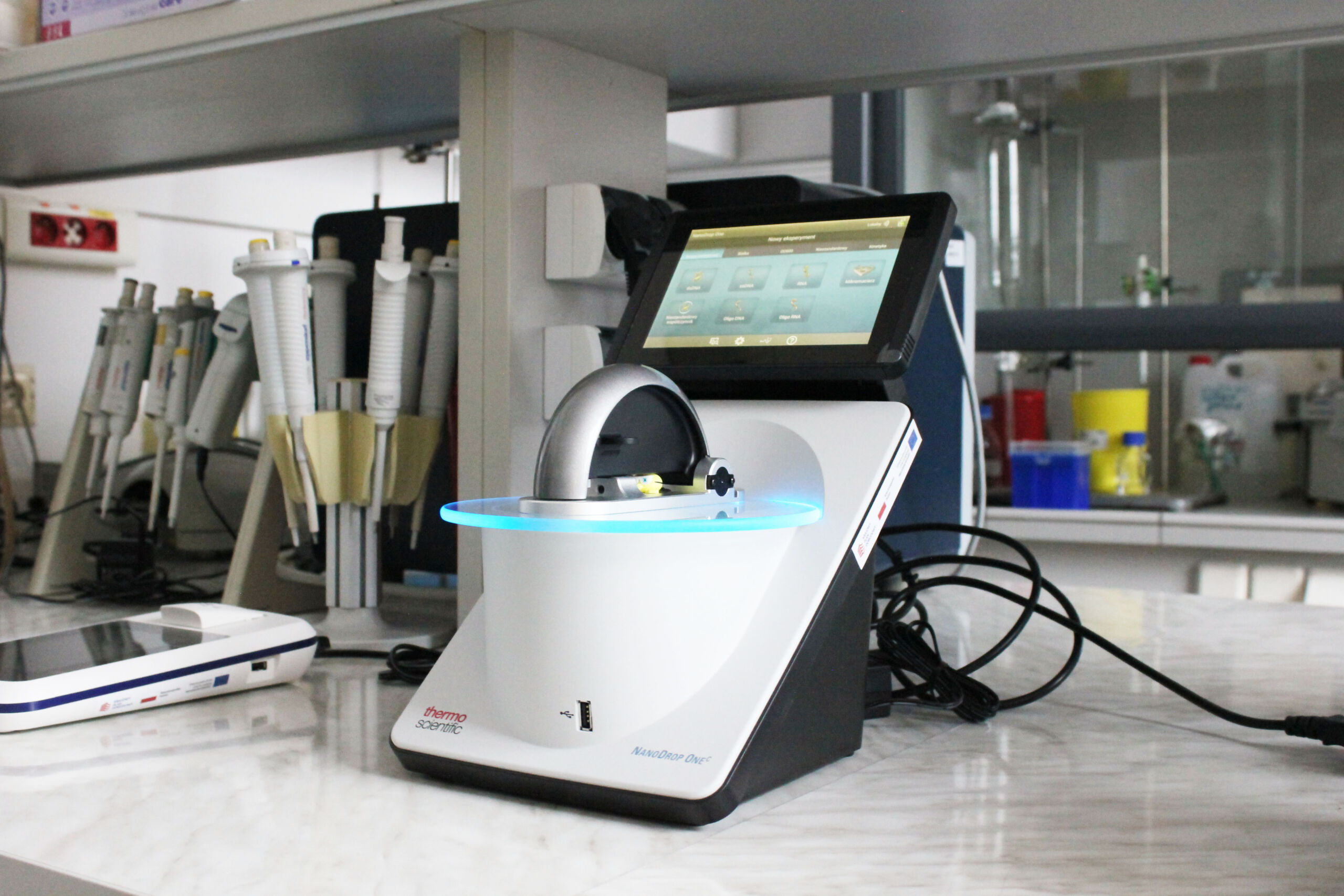
Nanodrop One microvolume UV-Vis spectrophotometer – determination of the concentration and purity of nucleic acids (DNA, RNA) and proteins in small volumes; indispensable in the preparation of samples for PCR, sequencing and proteomic analyses.
NanoColor UV/Vis II spectrophotometer – photometric analysis in the UV and Vis range, equipped with a thermostat for chemical mineralisation and a device for eliminating inorganic carbon (OWO determination); used for the analysis of water, sewage and environmental samples – enables the determination of parameters such as nitrogen content, phosphorus content, COD and TIC.
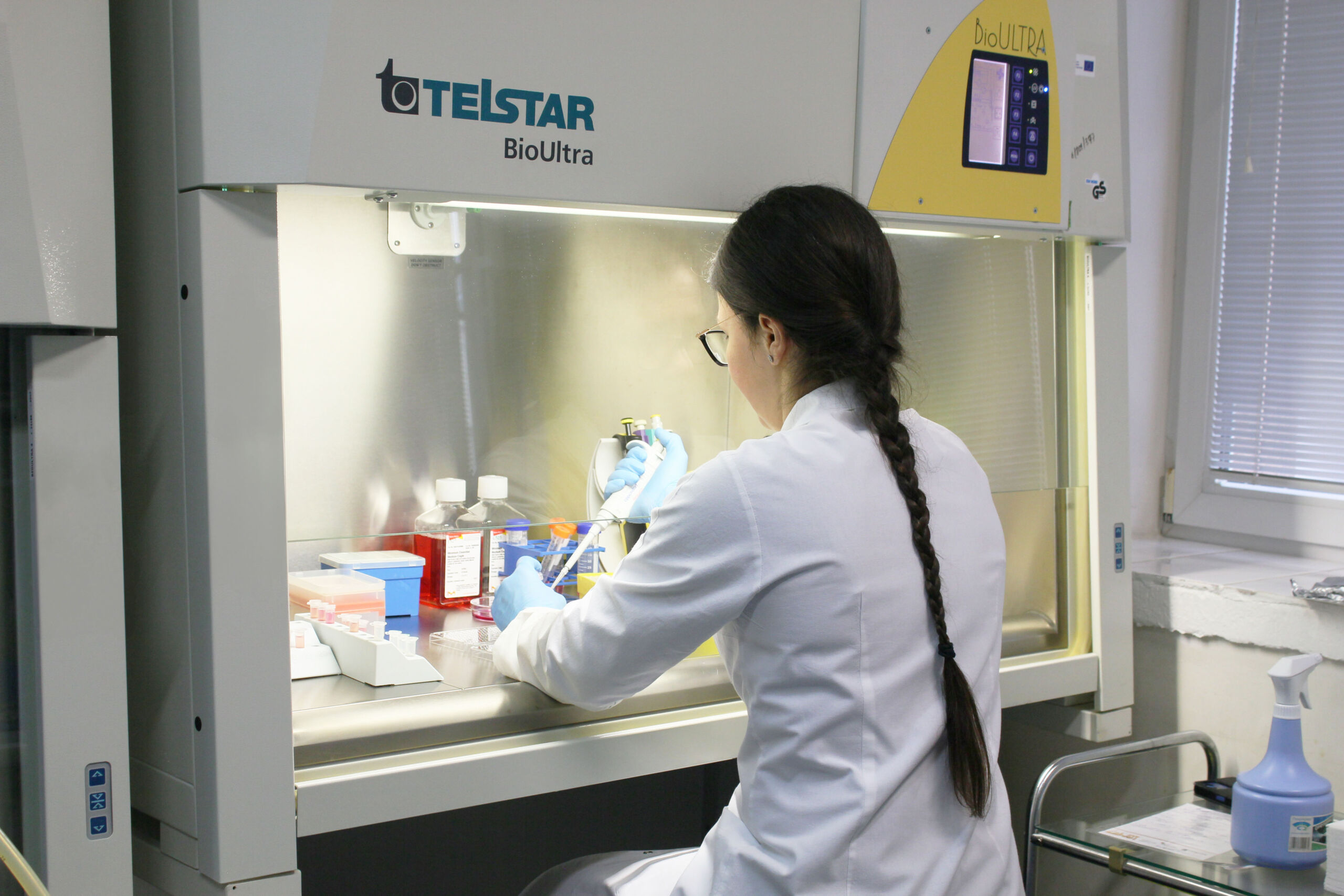
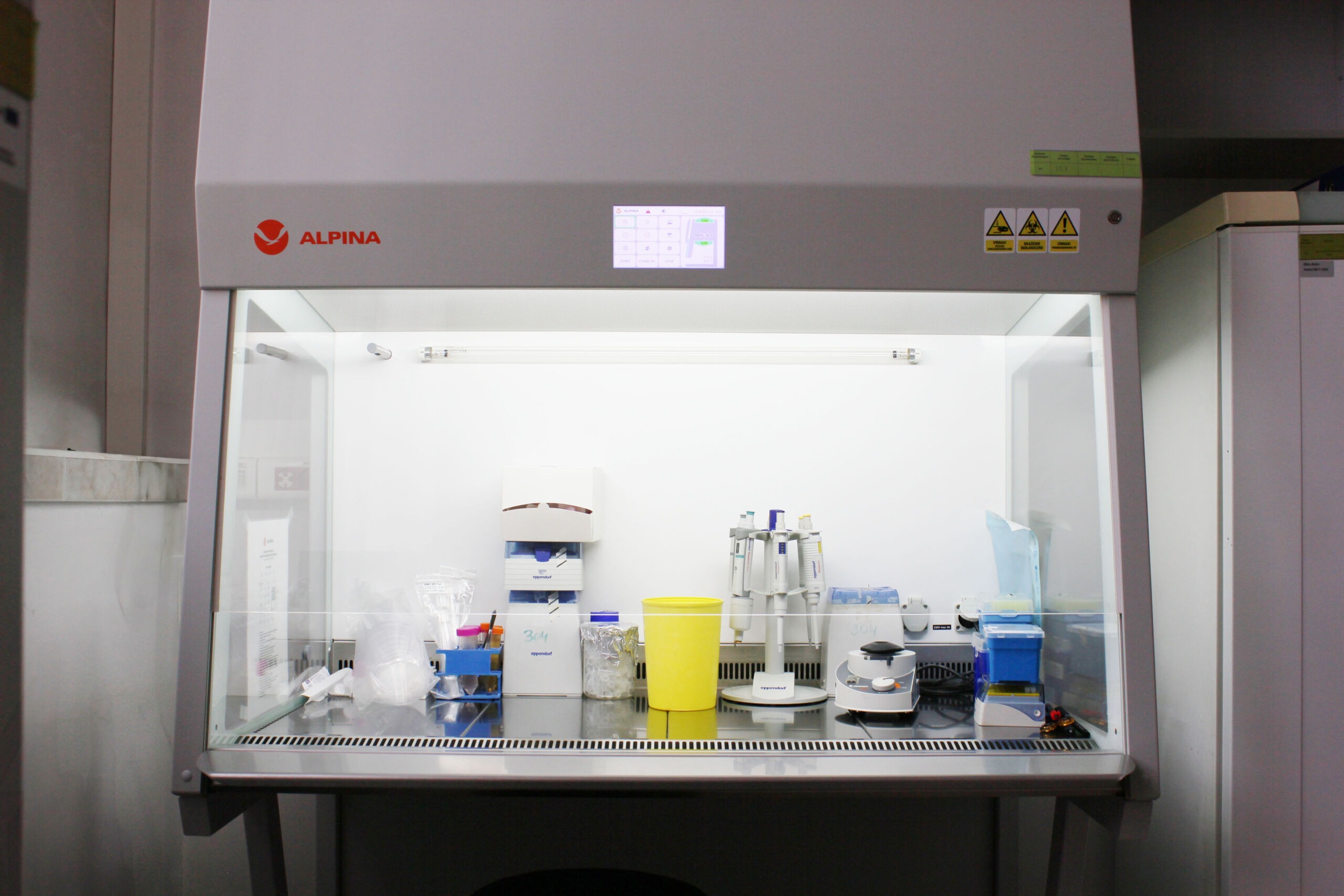
Alpina BIO 130 laminar flow cabinet – enables work with biological material under sterile conditions; used in work with microorganisms and cell cultures.
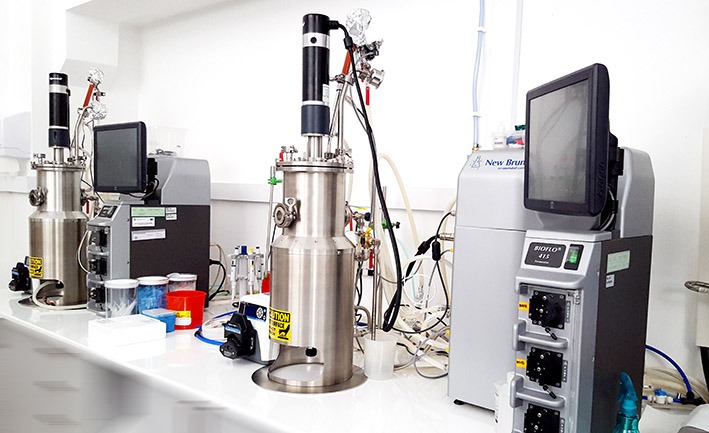
BioFlow 310 bioreactor – a compact bioreactor for culturing microorganisms and cells under controlled conditions, with a working capacity of 2.5 to 5 litres. It enables precise control of process parameters (pH, temperature, DO, mixing) in batch, fed-batch and continuous modes. Used for optimising biotechnological processes, production of enzymes, metabolites and recombinant proteins.
BioFlow 415 bioreactor – a bench-top bioreactor with on-site sterilisation capability, with a working capacity of 2 to 15 litres. Equipped with electric heating, a touch panel with control of up to 32 parameters, and one or four adjustable gases. Used for microorganism cultivation in batch, fed batch and continuous modes.
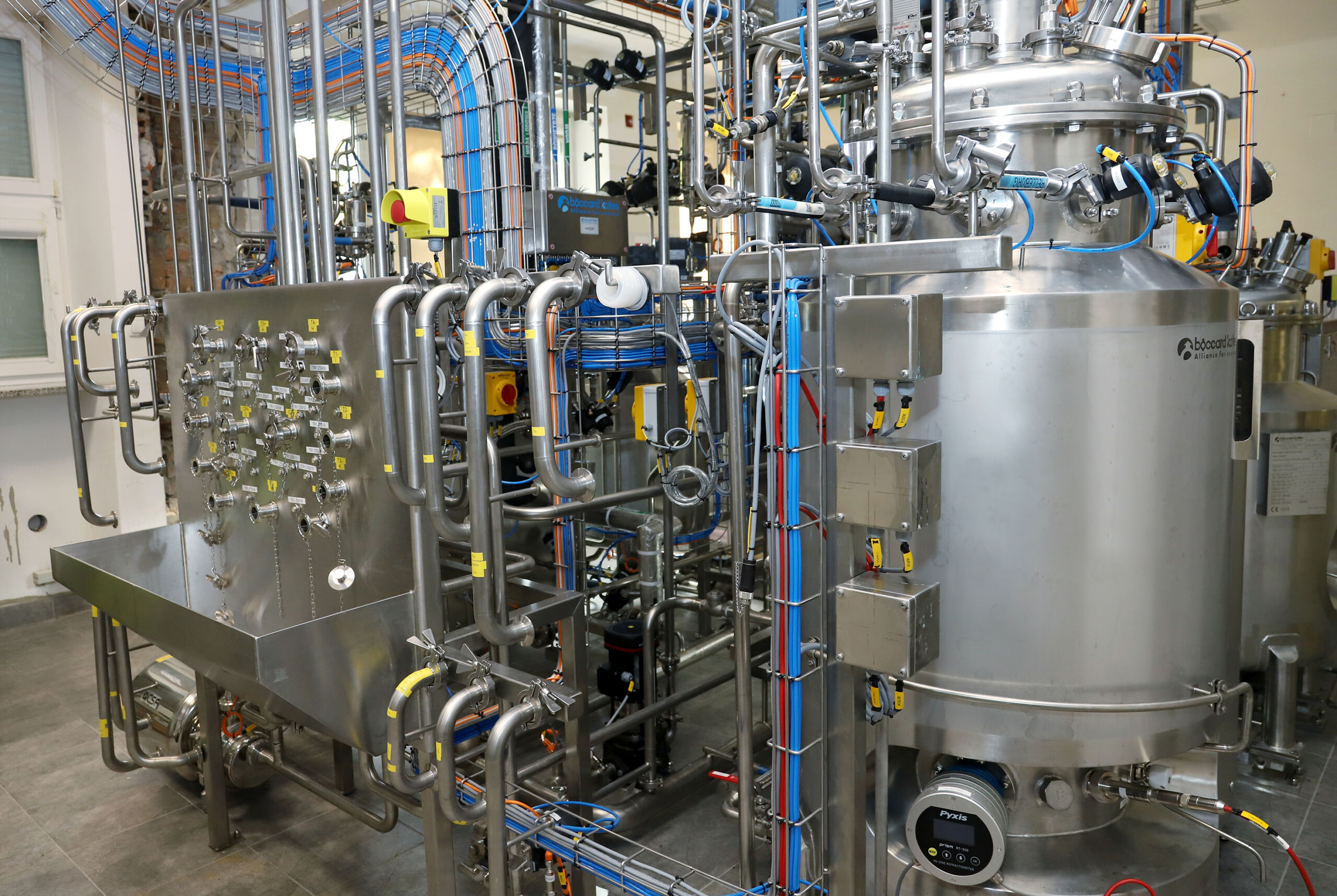
Biotechnology process scaling facility – comprising:
- a bioreactor with a working capacity of 30 litres used for preparing inoculum or conducting the process on a smaller scale,
- a bioreactor with a working capacity of 150 litres used to conduct the process on a larger scale,
- two auxiliary tanks with a capacity of 100 l equipped with agitators for preparing the nutrient medium and storing the product created during the process,
- a 200-litre inactivation tank used to neutralise microorganisms after the process is complete,
- TCU heating and cooling modules and chillers providing full control over the temperature of bioreactors and auxiliary tanks,
- CIP station enabling fully automated cleaning of process and transfer systems,
- flow centrifuge enabling the centrifugation of post-fermentation mixture to obtain biomass,
- ultrafiltration kit with replaceable cartridges enabling work with various types of material produced during the process,
- a pressure-driven flow sonication system for releasing products from microorganism cells produced in the process,
- a switchboard allowing devices to be connected together in various configurations,
- reactor control system enabling fully automated process control and visualisation,
- a control panel enabling remote monitoring of the fermentation process.